
If you spend your time working in rare and genetic kidney disease, you already know where the friction sits. It usually comes down to how early data holds up, how endpoints are justified, and how far you can push a study design before feasibility becomes an issue.
That reality is what has shaped the 6th Rare & Genetic Kidney Disease Drug Development Summit. The agenda has been developed alongside key industry leaders accelerating program progress, managing studies, and making decisions that carry risk.
By attending the meeting, you will be able to gain a real sense of where the field stands as a whole, and workshop your most pressing challenges to progress your own pipelines.
A Program Built from Real Program Experience
The structure of the meeting comes directly from ongoing conversations with industry and academic leaders. The same questions came up often enough that it made sense to anchor the agenda around them.
Preclinical teams pointed to gaps between model systems and clinical outcomes. Clinical leads raised concerns around endpoints and patient recruitment. Regulatory and commercial teams highlighted how early decisions have long-term consequences.
That is why the agenda moves from early translational work through to clinical development and market considerations, without treating them as separate conversations.
This is reflected across the Pre-Conference Workshop Day which take you through pipeline development and are grounded in how programs are being built today. One session focuses on improving translational predictability by integrating human datasets and disease-relevant models. Another tackles the Phase II endpoint gap, where teams are still working through how best to demonstrate proof of concept. The third workshop brings in the commercial perspective, looking at how evidence strategy links to pricing and access later on.
Sessions That Stay Close To Current Decision-Making
Once the main conference begins, the level of detail remains consistent.
A session like “Shortening Rare Kidney Disease Trial Timelines by Integrating Imaging & Molecular Biomarkers into Endpoint Frameworks”, presented by Savithri Kota from Bayer, gets into how imaging and molecular data are being used to bring earlier readouts into trials which is an area where many teams are actively adjusting their approach.
Similarly, “Kidney Biopsy Profiling: Revealing Drug Mechanisms & Responsive Patient Subgroups in Kidney Disease Trials”, presented by Sean Eddy from the University of Michigan, looks at how tissue-level data is informing both mechanism and stratification decisions. This ties directly into how precision nephrology is starting to shape study design.
These sessions focus on specific approaches that teams are using now, including where the evidence is still incomplete.
Open Discussion Where There is Still No Consensus
Some of the most valuable parts of the meeting sit in the interactive sessions.
On Day 2, the roundtable “Integrating Human Evidence & Translational Models with AI to Improve Target Identification”, hosted by Josh Waitzman from Vera Therapeutics, brings together teams working at the interface of discovery and translation. The discussion focuses on where AI is being applied in practice and where it still falls short when connecting datasets.
There is a similar dynamic in the roundtable on “Building Public–Private Partnerships for Biomarker Discovery and Trial Readiness” hosted by Howard Trachtman from University of Michigan. This is where the reality of data sharing, access, and coordination comes into the conversation.
Given the more intimate nature of these meetings, attendees enter the conversation open and host ready to share their biggest challenges and how they are looking to overcome this providing a great learning opportunity.
Networking That Is Tied to the Work
The conversations that happen outside the sessions tend to follow the same pattern.
Because the group is focused, discussions usually start from a specific challenge rather than a broad introduction. That could be around endpoint selection, trial feasibility, or how to approach a particular indication.
The poster session on Day 1 is a good example of this. It gives teams a way to share data or ongoing work in a setting that encourages discussion rather than formal presentation.
There are also structured networking sessions, including speed networking, but the most useful exchanges often happen around the edges of the agenda, when people have just come out of a discussion that is directly relevant to their work.
What You’ll Walk Away With
Most attendees are not looking for a single answer when they come to the meeting. What they get instead is a clearer view of how others are approaching similar problems. That includes where there is alignment, where approaches differ, and where there is still uncertainty.
That context is what helps shape decisions once you are back in your own program. It is also what builds confidence in the assumptions you are making or flags where they need to be revisited.
Learn more about what the 6th Rare & Genetic Kidney Disease Drug Development Summit has to offer, and how it can support your work.
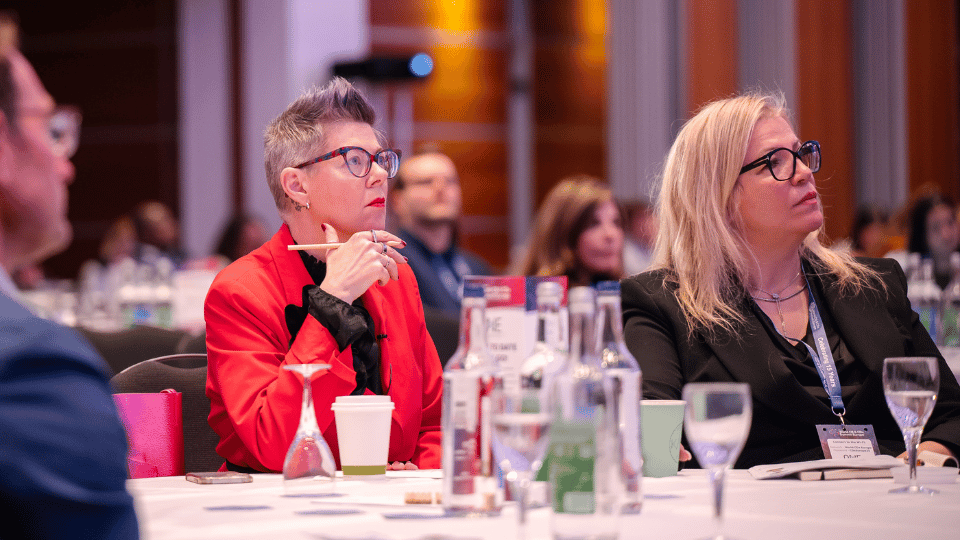
Explore the Agenda
Hear the latest breakthroughs in biomarker validation, surrogate endpoints, and clinical trial design through a packed agenda featuring 3 expert panel discussions, 3 pre-conference workshops, 2 interactive roundtables, and 12+ data-driven case study presentations.
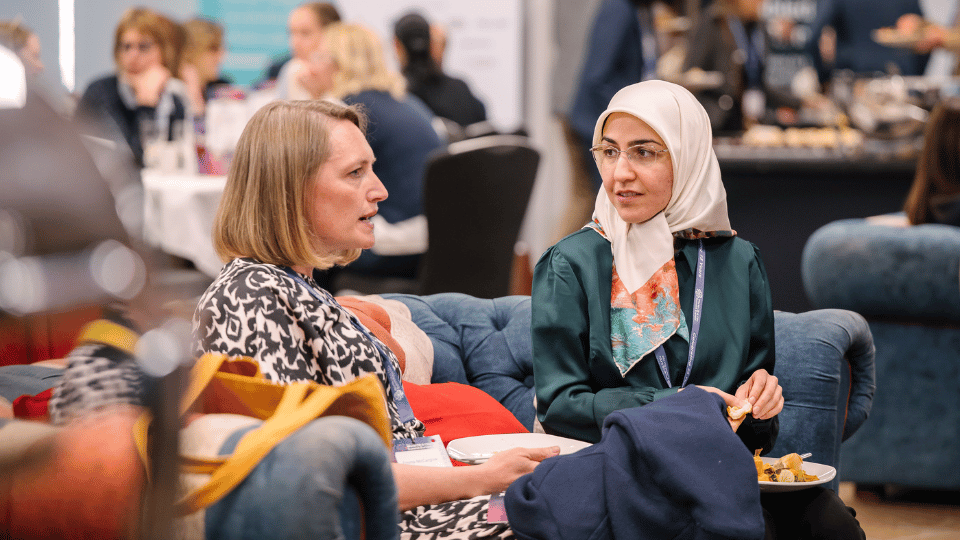
Partner With Us
Position yourself alongside leading solution providers supporting rare and genetic kidney disease pipelines. Whether your expertise lies in preclinical or clinical research, novel biomarkers for diagnosis, stratification or monitoring, imaging, or genetic testing, ensure your brand is at the center of key conversations around clinical development, endpoint validation, and trial execution
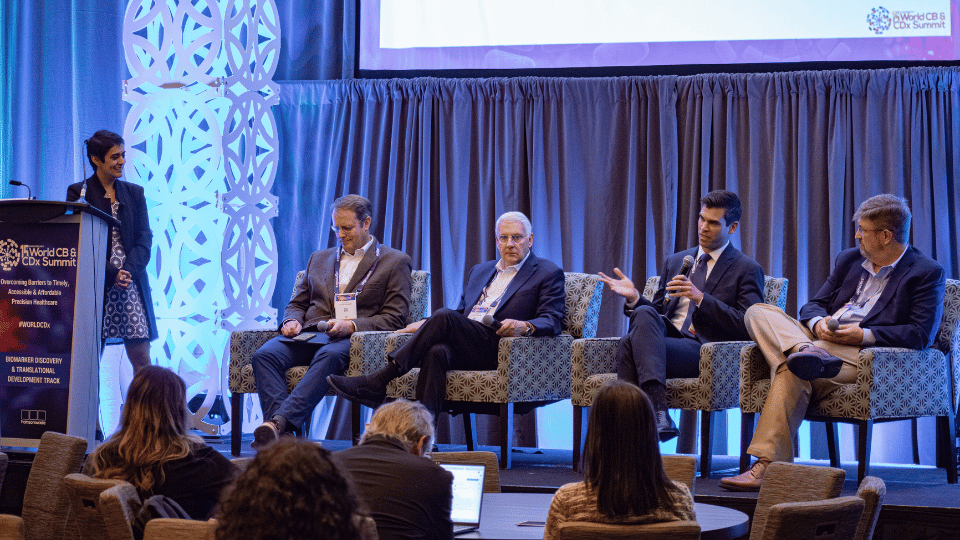
Join Biopharma Experts
Engage with a uniquely focused audience of rare and genetic kidney disease decision-makers and be part of high-value conversations with like-minded attendees across all stages of drug development, building critical connections through dedicated networking opportunities