
Anyone working in rare and genetic kidney disease knows that generating evidence is rarely straightforward. The main challenge is turning that compelling biology into data that holds up in clinical, regulatory, and development settings.
That tension sits at the center of many conversations around rare and genetic kidney disease drug development. It comes up across programs, stages, and organizational boundaries. From our perspective as a team working closely with this community, biomarkers and endpoints are where ambition, constraint, and judgment collide most often.
Why Evidence Is Especially Hard to Generate in Rare Kidney Disease
Evidence generation in rare and genetic kidney disease is shaped by limits that teams cannot design around easily. Patient populations are small, disease progression can be slow or unpredictable, and clinical manifestations vary even among patients with the same genetic diagnosis.
In many cases, the most clinically meaningful outcomes sit far downstream. Kidney failure, dialysis, and transplantation are not practical endpoints for early or even mid-stage studies, and waiting for those outcomes would stall development altogether.
As a result, programs depend on intermediate measures. These may capture disease activity or predict longer-term outcomes, but they bring their own challenges. Signal detection can be difficult, and variability can obscure trends.
Teams are forced to ask hard questions early. What constitutes meaningful change? Over what time frame? For whom? These discussions determine study design, feasibility, and credibility.
Biomarkers Carry Promise & Risk
Biomarkers play a central role in rare kidney disease research. They help link molecular understanding to clinical signal. In some cases, they support early go or no-go decisions. In others, they serve as key components of regulatory conversations.
At the same time, biomarkers are rarely interchangeable across indications. What works well in one disease area may be less informative in another. Some markers behave differently across age groups or stages of disease and others are sensitive to background therapies or comorbidities.
There is also the practical question of measurement. Assay consistency, sampling frequency, and patient burden matter, especially in small studies. Even technically robust biomarkers can become problematic if they are difficult to collect reliably.
Most people working in rare and genetic kidney diseases are driven by the same goal: to translate strong science into meaningful benefit for patients. The difficulty is aligning that ambition with what is achievable within given constraints.
Strong biological hypotheses are necessary. They are not sufficient. Trials still need to recruit, run, and read out in credible ways. Endpoints still need to resonate beyond the immediate team.
Where 6th Rare & Genetic Kidney Disease Drug Development Summit Fits into This Landscape
One of the consistent pieces of feedback we hear about 6th Rare & Genetic Kidney Disease Drug Development Summit is the value of focused, experience-driven discussion. The meeting is structured to bring together people dealing with the realities of evidence generation in rare kidney disease, not abstract models of it.
Sessions explore how teams approach biomarkers and endpoints in practice; what they prioritize, what they adapt, and what they would reconsider if they started again.
These are conversations that do not always happen openly elsewhere, or at broader kidney disease meetings.
Due to the hyper-relevant nature of attendees, dialogue goes beyond surface-level descriptions. Attendees can benchmark their thinking against current approaches without the pressure to exaggerate success or downplay uncertainty.
By bringing together scientific, clinical, and development perspectives in one place, it gives space for honest conversation about what evidence can reasonably demonstrate today and how strategies are adapting in response.
Be Part of the Discussion
If biomarkers, endpoints, and evidence strategy are part of your day-to-day work in rare or genetic kidney disease, these questions are not theoretical. They come up in protocols, reviews, and internal debates.
Explore the program to see what sessions can help develop your pipeline from promise to proof.
To join focused discussions with peers navigating the same decisions, challenges, and expectations, explore registration options below. In order to support cross-functional learning, this meeting also provides group discounts so that you can bring your colleagues to gain insights that move the whole team forward.
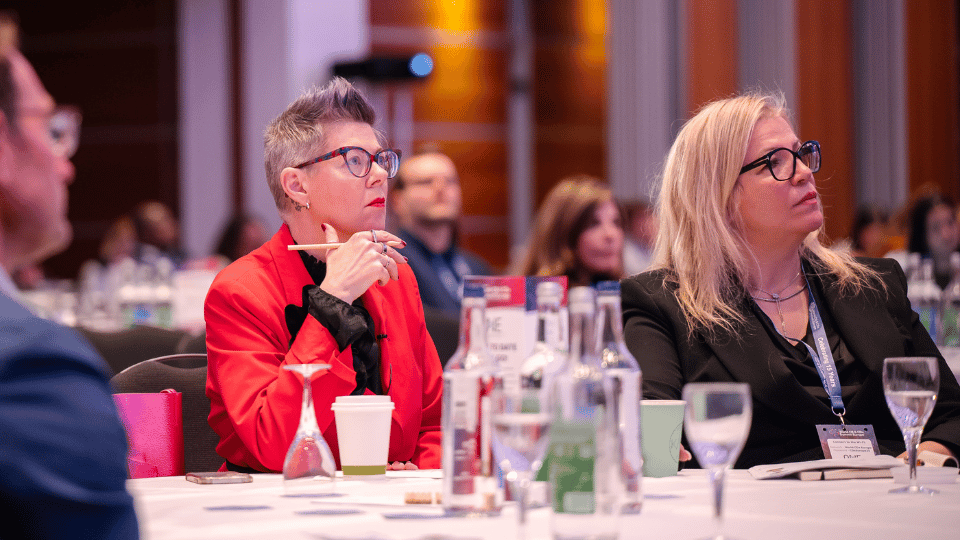
Explore the Agenda
Hear the latest breakthroughs in biomarker validation, surrogate endpoints, and clinical trial design through a packed agenda featuring 3 expert panel discussions, 3 pre-conference workshops, 2 interactive roundtables, and 12+ data-driven case study presentations.

Partner With Us
Position yourself alongside leading solution providers supporting rare and genetic kidney disease pipelines. Whether your expertise lies in preclinical or clinical research, novel biomarkers for diagnosis, stratification or monitoring, imaging, or genetic testing, ensure your brand is at the center of key conversations around clinical development, endpoint validation, and trial execution
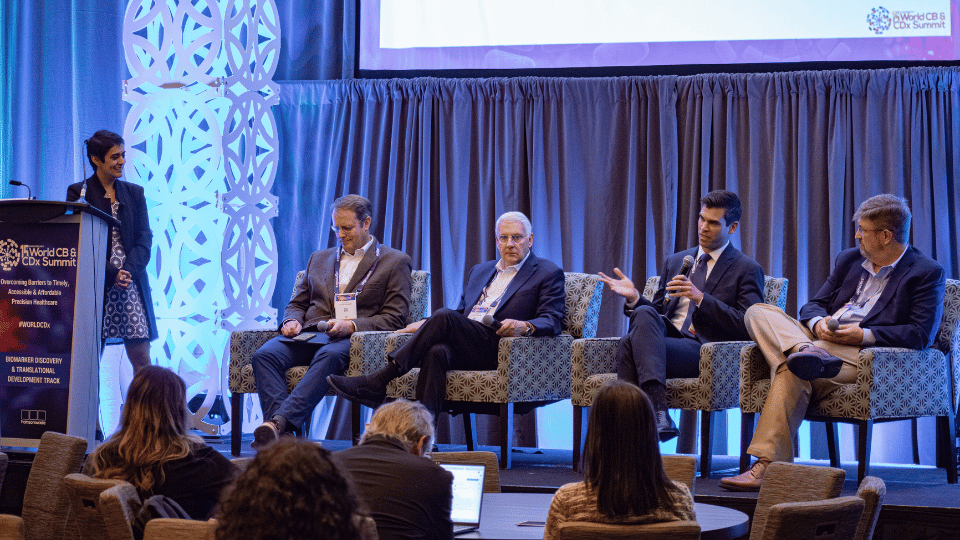
Join Biopharma Experts
Engage with a uniquely focused audience of rare and genetic kidney disease decision-makers and be part of high-value conversations with like-minded attendees across all stages of drug development, building critical connections through dedicated networking opportunities