
Across the rare and genetic kidney disease space, most teams are not short on ideas. The science is moving, new targets are emerging, and there is more confidence in areas that felt uncertain even a few years ago. However, challenges still remain in turning that progress into programs that hold up under real development conditions.
In conversations with teams across biotech, pharma, and academia, the same issues keep coming up. They cut across early discovery, translational work, and clinical development. They are not new, but they are becoming harder to ignore as expectations increase and more programs enter the space.
This is the context in which the 6th Rare & Genetic Kidney Disease Drug Development Summit has been built. It is a focused forum for people working through these exact problems, not a general overview of the field. Find out what the industry's biggest challenges are, and how the summit will help you overcome them below.
1. The Translational Gap is Still Slowing Down Good Science
Most teams have seen strong preclinical data lose clarity as programs move closer to clinical settings. In some cases, it has been the model itself, and in others, the issue is reproducibility, and there is a broader challenge around the mechanism. Genetic discoveries continue to expand, but translating them into druggable targets still involves steps that are not always well defined. That gap between biology and intervention remains one of the biggest pressure points in R&D.
The harder part is visibility. These issues are rarely unique to one team, but they are often worked through in isolation.
Where the 6th Rare & Genetic Kidney Disease Drug Development Summit Supports Translational Decision-Making:
A large part of the agenda focuses on improving how early data translates into clinical confidence.
Integrating Advanced Disease Models to Improve Translational Predictability in Rare Kidney Disease Drug Discovery
During the Pre-Conference Workshop Day, hear from Sorin Fedeles from Critical Path Institute and Giorgia Jurisic Snijder from CSL on how teams are combining human datasets, multi-omics approaches, and disease-relevant models to improve target selection from the outset.
Roundtable Discussion: Integrating Human Evidence & Translational Models with AI to Improve Target Identification
Discuss with your fellow attendees how to design preclinical studies to better predict clinical outcomes in Alport syndrome, including practical decisions around endpoint selection and how to incorporate real-world settings earlier, chaired by Josh Waitzman from Vera Therapeutics.
Designing Preclinical Studies to Robustly Inform Clinical Success in Alport Syndrome
During Day Two of the summit, hear from Richard Gilbert from the University of Toronto on how teams are designing preclinical studies that better reflect clinical reality in Alport syndrome, including the use of translational models, incorporation of standard of care, and prioritization of clinically relevant endpoints.
Targeting Undruggable Targets: Advancing Kidney-Targeted Therapies Through Molecular Engineering to Overcome Tissue Targeting Barriers
Hear from Thomas Miller from Walden Biosciences on how molecular engineering approaches are being applied to address so-called undruggable targets, with a focus on overcoming renal tissue targeting challenges and restoring function by directly targeting dysregulated cells.
2. Patient Stratification and Trial Design Are Becoming More Data-Dependent
There has been a noticeable shift toward precision nephrology. Programs are trying to define patient populations more tightly and connect treatment effects to specific biological signals. That creates opportunity, but it also raises the stakes.
Stratification depends on data that is not always aligned across studies. Biomarkers can behave differently depending on disease stage or background therapy, and while genetic data adds depth, it also introduces more variables to consider.
At the same time, clinical trial design remains constrained by small populations, which leaves limited room for error. A mismatch between stratification strategy and study design can affect both feasibility and interpretation. It is common for teams to question whether they are segmenting too much or missing the right patient groups altogether.
Where the 6th Rare & Genetic Kidney Disease Drug Development Summit Adds Practical Insight
The agenda reflects how central this issue has become across programs.
The session on kidney biopsy profiling examines how tissue-level data is being used to identify responsive subgroups and understand drug mechanisms
Workshop B focuses on endpoint strategy and how biomarkers can support earlier decisions in development
Presentations on integrating imaging and molecular biomarkers into endpoint frameworks show how timelines are being shortened while still generating meaningful data
The roundtable on public–private partnerships for biomarker discovery looks directly at how datasets are built and shared across organizations
These discussions tend to focus on current approaches, including where methods are still being refined rather than fully established.
How the Summit Adds Practical Insights:
The agenda reflects how central this issue has become across programs.
Bridging the Phase II Endpoint Gap in Rare Kidney Disease Trials by Validating Surrogate Biomarkers Across Diseases & Data Platforms to Enable Earlier Proof-of-Concept & Accelerate Drug Development
During the Pre-Conference Workshop Day, hear from Sean Eddy from the University of Michigan on how teams are approaching the Phase II endpoint gap, including how surrogate biomarkers are being validated across datasets and integrated into trial design to support earlier proof-of-concept in rare kidney disease studies.
Shortening Rare Kidney Disease Trial Timelines by Integrating Imaging & Molecular Biomarkers into Endpoint Frameworks to Generate Earlier Proof-of-Concept Data
On Day One, hear from Savithri Kota from Bayer on how imaging and molecular biomarkers are being incorporated into endpoint frameworks, including the use of total kidney volume and emerging biomarkers to generate earlier signals while addressing the practical challenges of implementing these approaches in multicenter trials.
Roundtable Discussion: Building Effective Public–Private Partnerships to Accelerate Biomarker Discovery & Clinical Trial Readiness in Rare Kidney Disease
On Day Two, join Howard Trachtman from the University of Michigan to explore how academia, industry, and patient groups are working together to build and scale shared datasets, with discussion focused on data access, standardization, and how collaboration supports biomarker validation and clinical trial readiness.
3. Collaboration Is Becoming More Structured and More Competitive
Rare kidney disease research has always required collaboration. What has changed is how central it is to progress.
No single organization has access to enough patients, data, or expertise to move quickly on its own. That applies across discovery, clinical development, and evidence generation.
At the same time, there is increased awareness around positioning within the space. Teams are thinking more actively about visibility, partnerships, and access to data or platforms.
Collaboration is still essential, but it now comes with clearer strategic considerations.
Where the 6th Rare & Genetic Kidney Disease Drug Development Summit Helps Build the Right Connections
The structure of the meeting is set up to support both scientific exchange and practical collaboration.
The poster session creates a direct route for sharing data and increasing visibility within the community
Workshop C looks at how development strategy connects to commercial positioning and market access
The fireside discussion on asset evaluation and dealmaking explores how programs are assessed and integrated across organizations
The session on aligning academia, industry, and clinicians reflects how these groups need to work together in practice
Roundtables on public–private partnerships focus on how collaboration is being structured and where challenges still exist
This gives a more realistic view of how collaboration is happening across the field today, beyond high-level messaging.
How the 6th Rare & Genetic Kidney Disease Drug Development Summit Helps Build the Right Connections
The structure of the meeting is set up to support both scientific exchange and practical collaboration.
Interactive Poster Sessions to Showcase Rare Nephrology Research
During the Day One Poster Session, explore a range of ongoing research and data across rare kidney disease development, with the opportunity to engage directly with teams sharing early findings, discuss approaches in more detail, and connect with peers working on similar programs.
Building a Sustainable Business Model for Rare Kidney Disease Therapies
During the Pre-Conference Workshop Day, hear from Srini Srinivas from Novartis and Manish Maski from Vertex Pharmaceuticals on how teams are aligning clinical evidence, pricing strategy, and payer expectations earlier in development to support stronger market access and investment decisions for rare kidney disease therapies.
Fireside Discussion: From Asset Evaluation to Integration: How Strategic Dealmaking Accelerates Rare Kidney Disease Drug Development
On Day Two, join Julie Lin from Travere Therapeutics and Gabriela Alperovich from CSL as they discuss how rare kidney disease assets are being evaluated beyond the clinical stage, including how cross-functional teams assess opportunities and maintain momentum as programs move from dealmaking into development.
Fireside Discussion: Bridging the Gap: Aligning Academia, Industry, & Clinicians to Accelerate Clinical Innovation
On Day Two, hear from Howard Trachtman from the University of Michigan and Jeff Sands from NephroDI Therapeutics on how academia, industry, and clinicians are working together to build more connected research ecosystems, with discussion focused on data sharing, collaboration, and strengthening clinical engagement in rare kidney disease innovation.
A Window of Opportunity for the Field
There is a clear sense that rare and genetic kidney disease is entering a more active phase. Regulatory acceptance of surrogate endpoints has influenced how studies are designed, and a wave of approvals has brought renewed investment and attention. Precision medicine is starting to shape how diseases are defined and treated.
This combination has created momentum, but it has also raised expectations. Programs are moving faster, with decisions carrying more weight, and early assumptions being tested more quickly and more visibly. From our perspective, this makes shared insight more valuable than it has been in previous years.
The challenges outlined here resonate in every conversation we have with the community and are challenges faced by all in rare disease drug development. However, the 6th Rare & Genetic Kidney Disease Drug Development Summit is designed to enable teams to overcome these issues more quickly and more efficiently. It brings together people who are working through these issues in real time and creates space for direct discussion, comparison, and exchange. That level of alignment is what helps move programs forward in a practical sense.
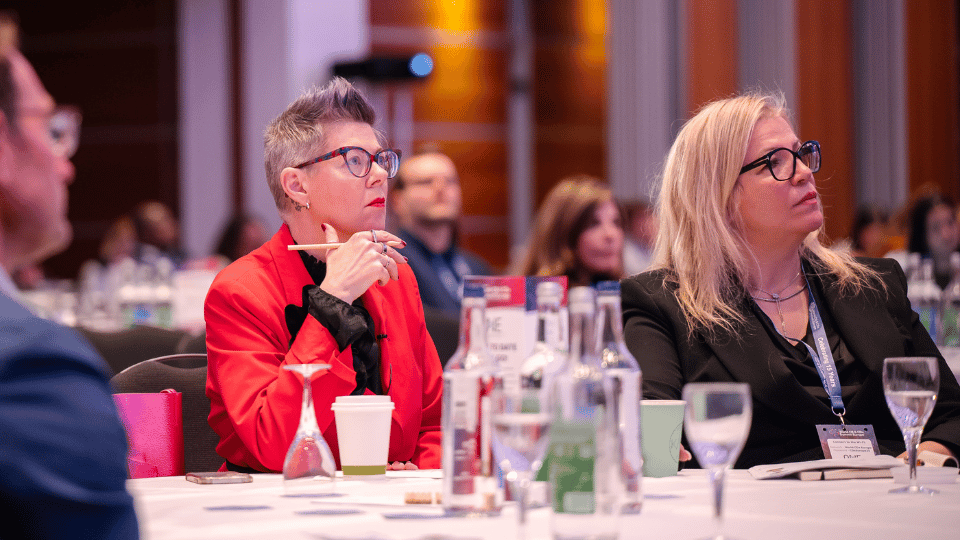
Explore the Agenda
Hear the latest breakthroughs in biomarker validation, surrogate endpoints, and clinical trial design through a packed agenda featuring 3 expert panel discussions, 3 pre-conference workshops, 2 interactive roundtables, and 12+ data-driven case study presentations.
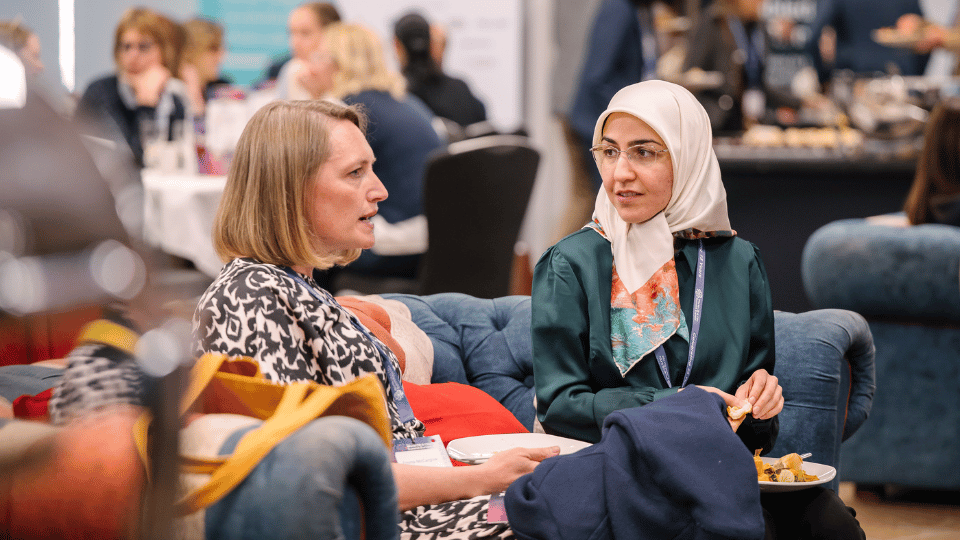
Partner With Us
Position yourself alongside leading solution providers supporting rare and genetic kidney disease pipelines. Whether your expertise lies in preclinical or clinical research, novel biomarkers for diagnosis, stratification or monitoring, imaging, or genetic testing, ensure your brand is at the center of key conversations around clinical development, endpoint validation, and trial execution
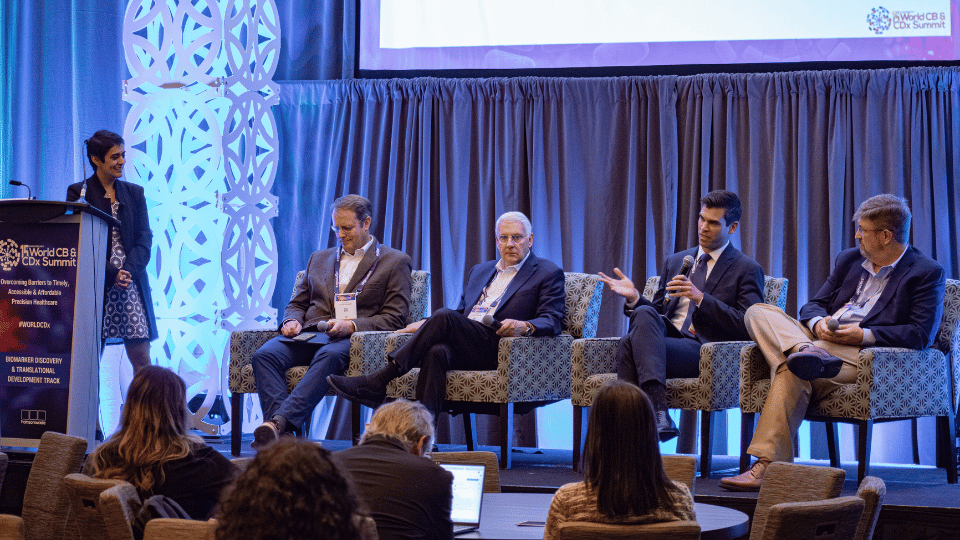
Join Biopharma Experts
Engage with a uniquely focused audience of rare and genetic kidney disease decision-makers and be part of high-value conversations with like-minded attendees across all stages of drug development, building critical connections through dedicated networking opportunities