
Over the last decade, rare kidney disease research has expanded, particularly in genetically defined and glomerular conditions. Analysis of clinical trial registrations shows a clear increase in early‑phase and observational studies, with notable growth in areas such as ADPKD, IgA nephropathy, and lupus nephritis.
That increased activity reflects improved understanding of disease mechanisms, better genetic characterization, and more confidence in targeting upstream pathways. However, deeper biological insight has not simplified development.
Many rare kidney diseases still show wide variation in presentation and progression, even within narrowly defined genetic subgroups. Natural history data remain incomplete for several indications, and meaningful outcomes may take years to appear in slowly progressive diseases.
All of this affects how trials are designed, how long they run, and whether results can be interpreted with confidence. Drug developers and academic teams are often forced to make consequential decisions using imperfect information, especially early on.
Evidence Expectations Are Evolving and Remain Contested
Generating convincing evidence in rare kidney disease is one of the field’s most persistent problems. Standard kidney outcomes such as dialysis or transplantation are rarely feasible as primary endpoints, especially in early development. Surrogate endpoints such as proteinuria reduction or changes in eGFR slope have therefore become central to many programs.
Regulators have shown flexibility, particularly in high‑unmet‑need indications. At the same time, the use of surrogates remains under scrutiny. Recent reviews and regulatory decisions highlight ongoing debate about validation, durability, and post‑approval obligations.
This creates real strategic uncertainty, with teams now making trade‑offs between scientific ambition and regulatory acceptability with limited precedent to draw on. In practice, success often depends on learning from comparable programs and understanding how endpoints have been interpreted in similar contexts, rather than relying solely on internal data packages.
Funding Conditions Are Shaping Behavior Across the Field
Rare and genetic kidney disease research is unfolding during a period of sustained pressure on biotech financing. In recent years, financing constraints have reshaped R&D priorities, with early-stage and ultra-rare programs often disproportionately affected.
In rare disease specifically, investment has become more selective, with developers under pressure to:
- De‑risk programmes earlier
- Shorten development timelines
- Justify resource allocation in competitive internal portfolios
At the same time, uncertainty around incentives, reimbursement expectations, and regulatory tools continues to influence strategic decision‑making.
Shared Learning Is Becoming a Competitive Necessity
Rare and genetic kidney disease research has always relied on collaboration. Small patient populations demand cross‑institutional studies, shared registries, and coordinated clinical networks. However, the demand for cross-functional collaboration is only growing.
Increasingly, progress depends on:
- Learning from other programs navigating similar biomarker or endpoint challenges
- Understanding how different teams are engaging with regulators and health authorities
- Benchmarking study design, evidence strategies, and translational decision points against real‑world experience
No single organization has sufficient data, patients, or perspective to solve these challenges alone. Now, collective insights are becoming one of the most valuable resources in the field.
See how attending this year’s 6th Rare & Genetic Kidney Drug Development Summit can support your work.
A Defining Period for the Rare and Genetic Kidney Disease Community
The next few years are likely to determine how several rare kidney disease indications mature as development areas. Some will gain clearer pathways and greater confidence among developers and clinicians, while others may struggle to sustain momentum.
What happens will depend less on isolated breakthroughs and more on whether the community aligns around workable approaches to evidence, surrogate endpoints, and translation.
The 6th Rare & Genetic Kidney Drug Development Summit is the perfect platform to accelerate drug development, bringing together scientists, developers, clinicians, and solution providers to tackle the latest challenges in nephrology.
The intimacy of this meeting allows for individuals to discuss their work openly and brainstorm how to overcome the biggest bottlenecks in rare and genetic kidney diseases.

Explore the Agenda
Hear the latest breakthroughs in biomarker validation, surrogate endpoints, and clinical trial design through a packed agenda featuring 3 expert panel discussions, 3 pre-conference workshops, 2 interactive roundtables, and 12+ data-driven case study presentations.

Partner With Us
Position yourself alongside leading solution providers supporting rare and genetic kidney disease pipelines. Whether your expertise lies in preclinical or clinical research, novel biomarkers for diagnosis, stratification or monitoring, imaging, or genetic testing, ensure your brand is at the center of key conversations around clinical development, endpoint validation, and trial execution
Join Biopharma Experts
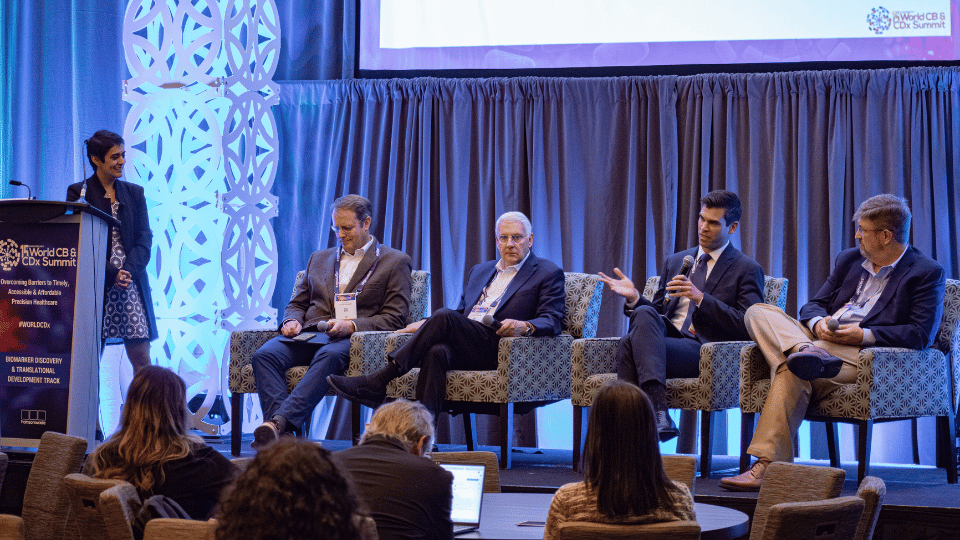
Engage with a uniquely focused audience of rare and genetic kidney disease decision-makers and be part of high-value conversations with like-minded attendees across all stages of drug development, building critical connections through dedicated networking opportunities