
The Rare & Genetic Kidney Disease Drug Development Summit FAQs
If you are considering attending the 6th Rare & Genetic Kidney Disease Drug Development Summit or want to better understand how it fits within the wider rare disease and nephrology conference landscape, this page covers the questions we hear most often.
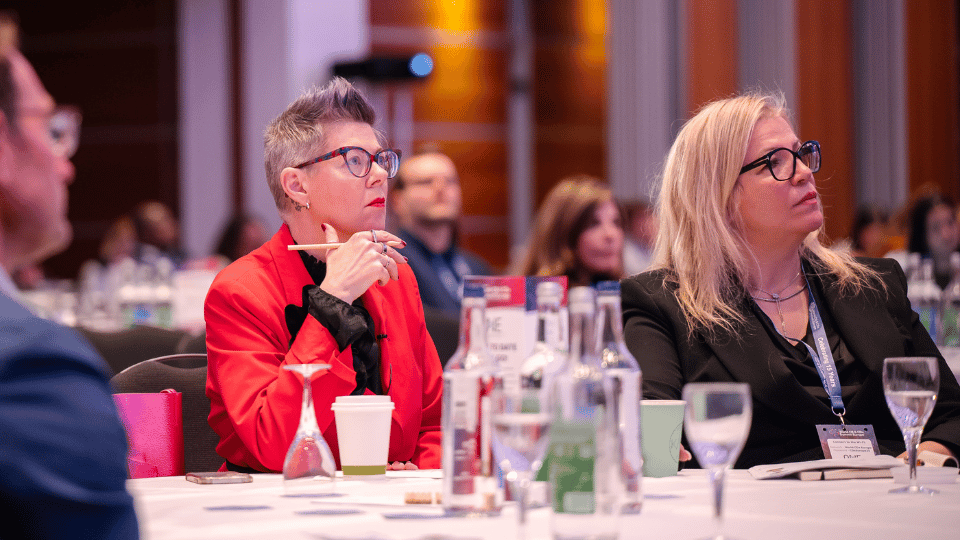
The summit is a specialist conference focused on rare and genetic kidney diseases, with particular emphasis on translational research and drug development.
It brings together stakeholders working across:
- Academic research
- Clinical nephrology
- Biotechnology and pharmaceutical development
- Clinical trials and regulatory strategy
The aim is to create a focused environment where teams can exchange experience, compare approaches, and discuss current thinking in rare nephrology without the breadth or dilution of larger generalist meetings.
The meeting is designed for professionals directly involved in rare kidney disease research, development, and clinical care.
Typical attendees include:
- Scientists working in renal biology or genetic kidney disorders
- Clinicians specializing in nephrology or rare disease
- Translational researchers bridging discovery and development
- Industry professionals in biotech and pharma managing rare and genetic kidney programs
- Clinical development, regulatory, and medical affairs teams
If your work involves biomarkers, endpoints, or trial design in rare kidney diseases, the content will be directly relevant.
Most nephrology conferences cover a broad range of conditions or clinical topics, whereas the 6th Rare & Genetic Kidney Drug Development Summit differs by its level of focus.
The meeting concentrates specifically on rare and genetic kidney diseases. This creates a more relevant dialogue for attendees who would otherwise spend much of a broader conference filtering for applicable content.
Because of that focus:
- Discussions tend to be more detailed
- Sessions reflect real program decisions rather than high-level overviews
- Attendees often share comparable challenges and constraints
For teams working in rare and genetic nephrology, this makes benchmarking and peer exchange more practical.
The program focuses on themes that are central to current kidney research and development.
These include:
- Biomarker identification and validation
- Endpoint selection in rare kidney disease trials
- Translational strategies from discovery to clinic
- Clinical trial design in small and heterogeneous populations
- Evidence generation and regulatory expectations
- Cross-functional alignment between research, development, and care
Sessions are built around practical experience rather than theory, with input from across academia, clinical practice, and industry.
Yes. Early-stage teams often face the greatest uncertainty when it comes to translating promising biology into a viable development path.
This summit provides exposure to how more advanced programs have approached:
- Biomarker selection
- Study design decisions
- Interactions with regulators
- Evidence expectations at different stages
This kind of insight is difficult to access through publications alone and can help inform earlier decision-making.
No, one of the strengths of the meeting is the mix of perspectives.
Academic researchers and clinicians are an active part of the discussion, alongside biotech and pharma teams. This reflects how rare programs actually progress in practice, often requiring collaboration across these groups.
The format is designed so that different perspectives can be shared openly, particularly around areas where there is no single established approach.
Networking tends to be more targeted than at broader life sciences meetings.
Because attendees are working on related problems, conversations are often more specific and immediately relevant. This makes it easier to:
- Identify peers working in similar indications
- Discuss shared challenges in study design or evidence generation
- Build relationships that extend beyond the meeting itself
The structure of the meeting supports both formal and informal interaction.
Across rare kidney disease programs, biomarkers and endpoints often determine whether a study is feasible and interpretable.
They influence:
- Trial duration
- Patient selection
- Regulatory engagement
- Internal decision-making
There is still variability in how different teams approach these questions, and expectations continue to evolve. For many attendees, this is one of the most valuable areas of discussion, as it brings together real-world experience across multiple programs and indications.
For teams already running or planning studies, the meeting offers a chance to step back and compare approaches.
Attendees use the meeting to:
- Sense-check current strategy
- Understand how similar challenges are being handled elsewhere
- Identify risks or assumptions that may need revisiting
This kind of external perspective can be difficult to build internally, particularly in small or highly specialized teams.
You can access full details on the program, speakers, and discussion areas by downloading the program.
Registration is available directly through the website portal, or get in touch with the team at info@hansonwade.com
Yes, group discounts apply when two or more members from the same organization register together. These discounts are automatically applied, allowing you to save up to an additional 20% off.
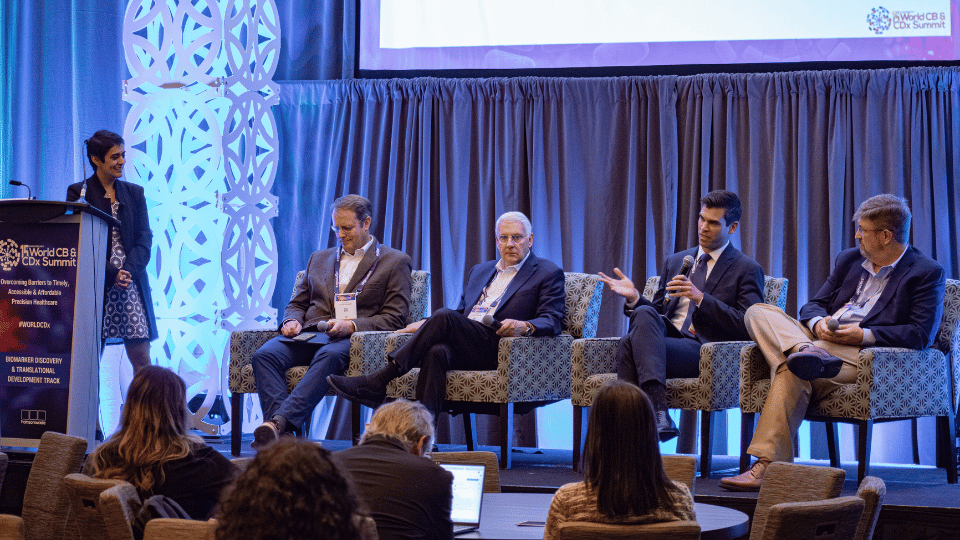
Explore the Agenda
Hear the latest breakthroughs in biomarker validation, surrogate endpoints, and clinical trial design through a packed agenda featuring 3 expert panel discussions, 3 pre-conference workshops, 2 interactive roundtables, and 12+ data-driven case study presentations.
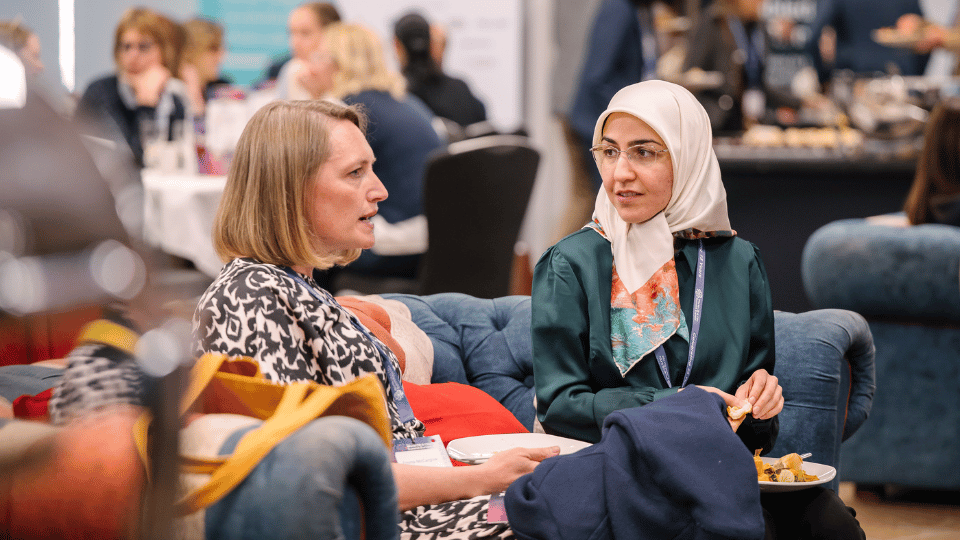
Partner With Us
Position yourself alongside leading solution providers supporting rare and genetic kidney disease pipelines. Whether your expertise lies in preclinical or clinical research, novel biomarkers for diagnosis, stratification or monitoring, imaging, or genetic testing, ensure your brand is at the center of key conversations around clinical development, endpoint validation, and trial execution
Join Biopharma Experts
Engage with a uniquely focused audience of rare and genetic kidney disease decision-makers and be part of high-value conversations with like-minded attendees across all stages of drug development, building critical connections through dedicated networking opportunities